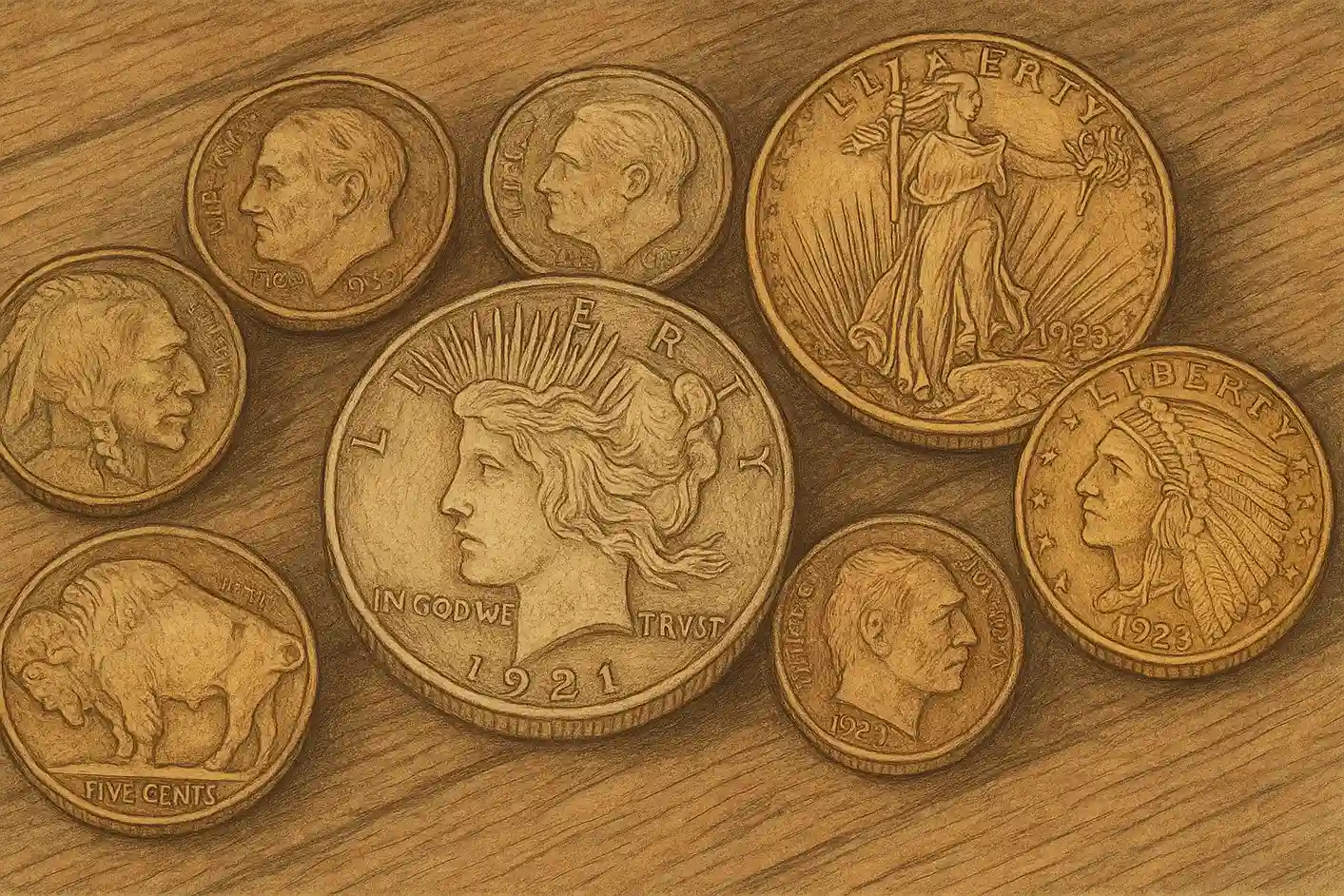
U.S. coins are great for aspiring collectors for accessibility and variability. However, the niche is also full of misinformation and misbeliefs, and beginners lose money dramatically when they lack assurance.
Myths circulate widely on social media, at flea markets, and inside collector groups. As a result, hobbyists make decisions that lead to overpaying, buying fakes, or ignoring coins worth money. Let’s debunk those myths one by one and make numismatics safe and more fun.
The True Drivers of Coin Value
Collectors often focus on dramatic stories: “old equals rare,” “shiny means valuable,” or “pocket change hides small fortunes.” These ideas sound exciting but rarely match real market behavior. The professionals at PCGS, NGC, and the American Numismatic Association emphasize three core pillars of value:
- Mintage and rarity
- Condition and originality
- Demand within the collector market
When you chase coins based solely on age, appearance, or hype, you often miss these fundamentals. This is where losses begin.
Myth 1: All Old Coins Are Valuable
Age is only one small part of the equation. Many U.S. coins from the 1800s and early 1900s were minted in high quantities. Heavy circulation wear also destroys collectible value. For example:
- A heavily worn Indian Head cent from the 1880s can sell for under $10.
- A 20th-century error coin, even in modest condition, may sell for hundreds.
The mistake comes from assuming “old equals rare,” while the real indicators—mintage, condition, and demand—are ignored. Professional certification from PCGS or NGC or a simple manual check-up via the coin scanner helps confirm rarity and condition before any purchase.
Myth 2: Shiny Coins Are the Most Valuable
Collectors lose money quickly when they confuse brightness with quality. Cleaning a coin to make it shiny removes natural patina and often scratches the surface. Grading services can easily detect cleaning, and the value can drop by 50–90%.
- Original toning is desirable.
- Dipped or polished coins are heavily discounted.
- Artificial shine rarely increases market appeal.
The safest approach is simple: buy coins with natural surfaces, even if they look less “perfect” to the untrained eye.
Myth 3: 1943 Silver Pennies Are Common Treasures
One of the most persistent myths is the idea that 1943 Lincoln cents were made of silver. In reality, almost all 1943 cents were struck in zinc-coated steel to preserve copper for wartime production. The few bronze errors that exist are extremely rare and well documented.
Where collectors lose money is here:
- Sellers misrepresent ordinary steel cents as rare pieces.
- Buyers assume any color variation signals a bronze error.
- Hobbyists pay high premiums before verifying the composition.
A genuine bronze 1943 cent weighs about 3.11 g, while the steel version weighs 3.0 g. Counterfeits often involve plating steel cents to mimic the bronze tone. Always test with a magnet or scale or download a coin photo to a free coin value app before trusting the story.
Myth 4: Pocket Change Hides Frequent Big Wins
Social media amplifies miracle finds—claims of “thousand-dollar quarters” or “rare pennies in every jar.” These statements mislead beginners into thinking valuable coins turn up constantly.
Reality works differently:
- True high-value finds in circulation are scarce.
- Key dates, varieties, and doubled dies show up far less often than people expect.
- Many viral examples involve coins worth little more than face value.
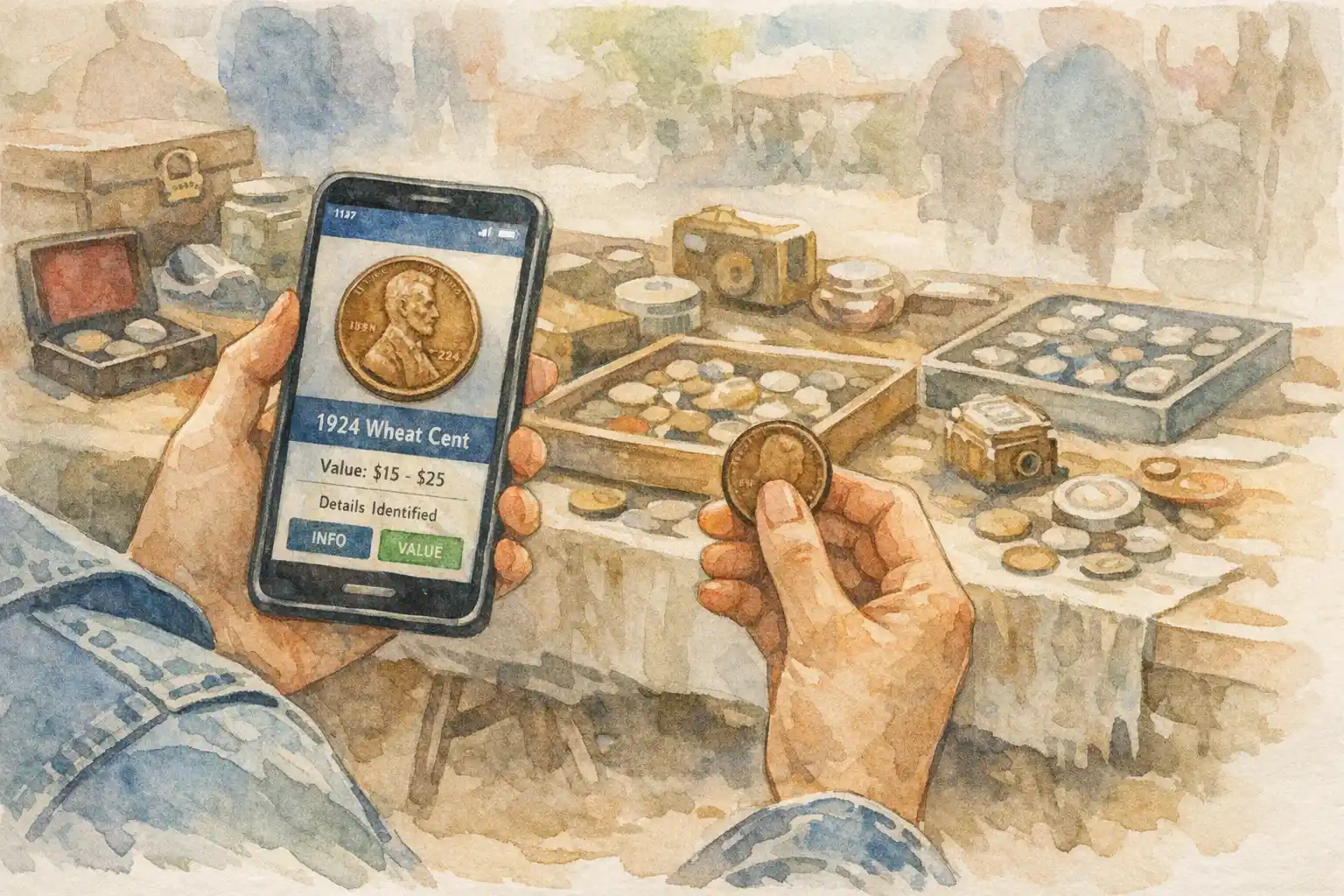
Searching for change can still be fun, but it should be paired with practical tools to avoid guesswork. The Coin ID Scanner app offers instant photo-based identification, pulling mint year, composition, weight, and market ranges from its 187,000-coin database. Scanning a coin helps confirm whether it is a common issue or something worth deeper inspection.
Myth 5: All Slabbed Coins Are Equal Investments
Certification increases buyer confidence, but slabs are not all created equal. Coins graded MS-65 or MS-66 vary widely within the same grade.
High-end examples:
- Show stronger luster
- Have fewer marks
- Attract competitive bidding
Low-end coins barely meet the grade and sell for much less. Understanding this difference is crucial. PCGS and NGC population reports reveal how rare high-end coins are within a grade, helping collectors avoid overpriced, low-quality slabs.
Myth 6: Modern Coins Hold No Collector Value
Many assume that anything minted after 1965 has little long-term potential. This idea is outdated. Modern U.S. coins include:
- Low-mintage errors
- Special proof issues
- Short-run commemoratives
- Popular bullion series with annual design changes
Several modern errors—such as the 1970-S doubled die or certain State Quarter varieties—regularly sell in the hundreds to thousands. Ignoring recent decades causes collectors to miss accessible, affordable pieces with strong upside.
Modern coins also benefit from excellent documentation and stable storage conditions, which means more high-grade examples survive. For collectors focused on condition and long-term consistency, modern series often outperform older, heavily circulated coins.
Building Smarter Collecting Habits
Avoiding myths is not enough; collectors need reliable systems that support ongoing decision-making. Strong habits include:
- Checking mintage figures before purchasing
- Verifying composition and weight for unfamiliar coins
- Comparing raw coins with certified examples
- Reviewing auction archives instead of relying on viral claims
- Keeping detailed notes on purchases and values
Technology simplifies this process. The Coin ID Scanner app helps confirm specifications through photo-based identification and provides composition, mint year, weight, and pricing references. Its digital inventory system, AI Coin Helper, and premium smart filters give collectors an organized way to track finds and avoid costly mistakes.
Turning Knowledge Into Portfolio Protection
Myths tend to thrive in the absence of reliable information. Collectors who rely on trusted resources—like the American Numismatic Association, PCGS, NGC, and reputable dealers—consistently outperform those who follow assumptions or hype.
Avoiding losses comes down to:
- Prioritizing originality over shine
- Buying based on rarity instead of age
- Verifying claims before spending
- Knowing that modern coins can offer real value
- Using data-backed tools to reduce uncertainty
By focusing on facts instead of myths, collectors preserve capital, build stronger collections, and navigate the U.S. coin market with confidence.